
Morocco and a Long Record of Human Rights Violations and the Struggle for Justice
Over the decades, Morocco has lived under the legacy of systematic human rights violations, where arbitrary arrests were not isolated cases, but a deeply rooted pattern of repression and judicial exploitation. The fundamental rights of citizens and foreigners were not guaranteed, but exposed to violations under misleading legal labels.
Thousands of lives have suffered from torture, medical neglect, illegal prosecutions, and constant harassment that distorted the concept of justice, turning the law from a tool of protection into an instrument of oppression. Even at times when the international community demanded transparency and justice, these policies persisted, creating a climate of fear and psychological distress, leaving a profound impact on human dignity.
Foreigners residing in Morocco were not immune to this reality, being subjected to the same forms of violations, reflecting the state’s continued disregard for its legal and ethical international obligations. This long record is not merely a past; it is a cry calling for strict accountability and a reassessment of national and international commitments.
Efforts of Human Rights Defenders and Citizens
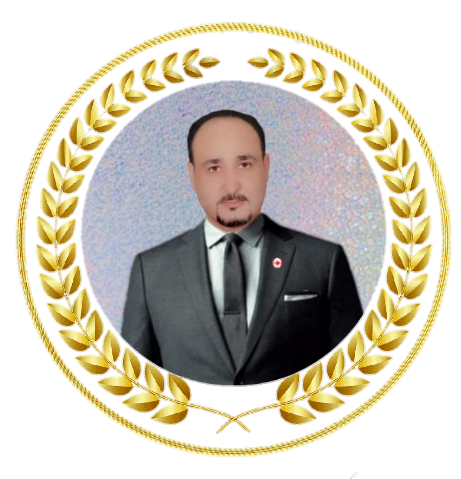
Faced with this difficult reality, the efforts of human rights defenders and citizens stood out, seeking to transform their personal suffering into an international legal and diplomatic outcry. International journalist Hany Khater became a living example of this struggle, using international legal frameworks to hold the Moroccan state accountable, based on decisions of the UN Committee Against Torture, which confirmed Morocco’s responsibility for violations, including arbitrary detention, torture, and severe medical neglect.
His efforts included practical and methodical steps at the international level, notably:
- Escalation with international institutions: bringing the case before the UN Committee Against Torture to monitor the implementation of the international decision CAT/C/68/D/782/2016 and ensure Morocco’s compliance with its international obligations.
- Official and diplomatic correspondence: sending letters to the Moroccan Embassy in Canada to encourage implementation of the decision.
- Collaboration with human rights institutions: corresponding with the Dignity Foundation for Human Rights in Geneva to intensify the case and ensure international pressure on the Moroccan state.
- Political and diplomatic pressure: involving Canadian MPs and diplomatic representatives to strengthen international oversight and open official support channels to achieve justice.
- Demand for full compensation: including material and moral indemnification in accordance with committee recommendations to restore violated rights and compensate psychological and physical damages.
Experiences have shown that Morocco often delays responding to international institutions, and when responses are given, they are misleading or false, increasing the severity of the violations and confirming the state’s ignorance of its international obligations.
Hany Khater’s Demands from International Institutions to Take Action Against Morocco
Hany Khater sought for international institutions to take the following measures:
- Prevent or suspend international aid and grants: as a punitive measure in response to continued violations and refusal to implement international recommendations.
- Demand that the Moroccan government implement UN decisions: particularly those from committees like the Committee Against Torture, which document violations and recommend urgent reforms and victim compensation.
- Establish international monitoring and accountability mechanisms: provide periodic reports to the UN and human rights organizations to track the implementation of recommendations and issue official warnings.
- Impose international oversight on the rights of prisoners and detainees: to ensure prevention of torture, protection of health and safety, and monitoring of legal justice.
- Encourage fair compensation for victims: including material and moral compensation, as well as redress for psychological and social harm resulting from violations.
- Ongoing diplomatic and human rights pressure: through publishing reports, organizing awareness campaigns, and involving international civil society to pressure Moroccan authorities to reform existing policies.
These measures demonstrate that the international community has legal and diplomatic tools to hold states accountable for their violations and transform individual suffering into a real call for justice.
Hany Khater’s efforts are a living example of how personal injustice can become an international matter and show that the struggle against oppression and neglect does not end with individual suffering but extends to a fight for justice and equality for all affected.